All Categories
Featured

How to File for Bankruptcy in 2026
instantly upon filing, through the automatic stay. You lag on your home loan and want to keep your homeYour income is above the Colorado average and you don't pass the Chapter 7 means testYou have non-exempt equity you desire to protect by paying its value into a plan rather of losing the assetYou have financial obligations that make it through Chapter 7 (specific taxes, some domestic support arrears) that you require structured time to payYou have actually filed Chapter 7 too recently to submit again (see timing guidelines below)The means test under 11 U.S.C.
Automatic Stay Prevents Wage Garnishment
Here's how it operates in plain terms: The U.S. Trustee Program publishes median household income figures by family size, updated every April and November using Census Bureau information. If your average regular monthly income over the prior 6 months, annualized, falls at or listed below Colorado's typical for your household size, you pass the methods test immediately and might file Chapter 7.
Many above-median filers still get approved for Chapter 7 after these reductions. or you might still have options depending on the type of debt you bring (the methods test only applies to filers whose financial obligations are mainly customer debts). Because the typical earnings figures and internal revenue service cost requirements alter two times a year, the precise numbers that used when a buddy or relative submitted may not apply to your case today.
Chapter 13 isn't readily available to everybody no matter earnings there are statutory financial obligation ceilings under 11 U.S.C. 109(e). Since the most current inflation change (reliable April 1, 2025, through March 31, 2028), the limits are different for secured and unsecured debt, in the low 7 figures combined. There is active, bipartisan legislation pending in Congress that would raise and simplify these limits into a single combined threshold worth viewing if you're near the present ceiling, particularly if a large home mortgage is what's pushing you over.
Saving Wages From 2026 Garnishment
This is usually the deciding factor for Colorado filers. Colorado's exemption statutes protect a set amount of equity in your house, lorry, tools of trade, pension, and personal effects. If your equity in an asset exceeds the exemption, the trustee can offer it and pay you the exempt portion but for the large majority of filers with average equity levels, whatever is protected and nothing is sold.
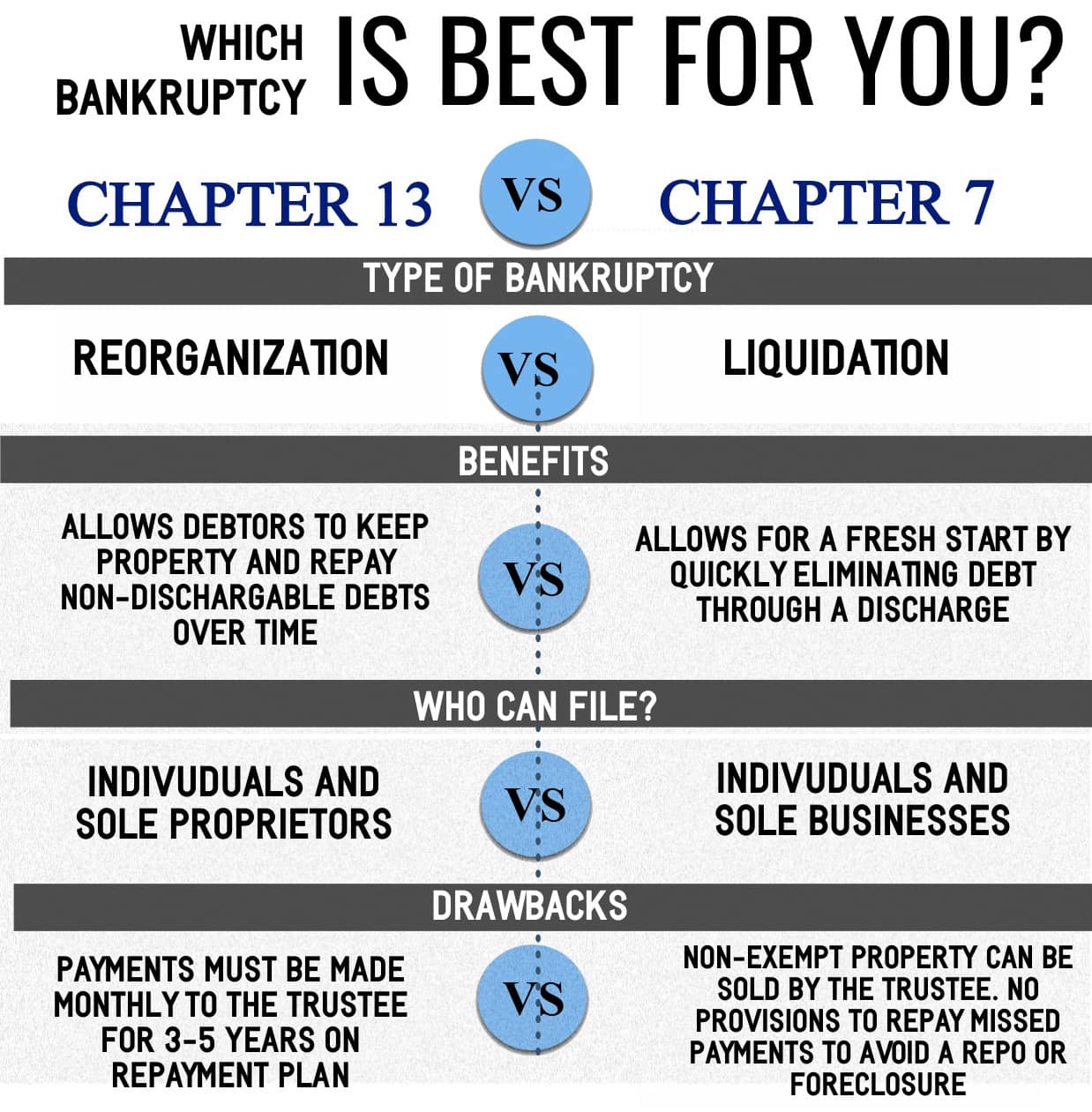
This is often why higher-equity homeowners or company owner pick Chapter 13 even when they may technically pass the Chapter 7 suggests test. 34 months to discharge35 years to dischargeNoYes, per court-approved planLower, one-timeLower, one-time (plus ongoing trustee fee)Frequently paid up front or shortly after filingFrequently paid through the plan over timeStays 10 years from filingStays 7 years from filingUnsecured debt without any significant possessions at riskSaving a home, curing defaults, above-median income Chapter 13 Chapter 7 You typically need to wait 8 years for another Chapter 7 discharge, but may qualify for Chapter 13 faster (timing guidelines are technical and case-specific) Chapter 13, to cure the default and keep the car Often Chapter 13, though eligibility depends upon the "routine earnings" requirement Chapter 13's co-debtor stay offers protection Chapter 7 does notI spent years administering cases as the Trustee -seeing direct which decisions held up and which ones backfired.
Submitting the incorrect chapter, or filing properly however with a preventable mistake, can indicate losing home you might have kept or paying years longer than essential. If you're weighing Chapter 7 vs.
Should You Use Chapter 7 in 2026?
Yes, in most cases you can convert your case from Chapter 13 to Chapter 7 if your circumstances changeSituations subject to certain restrictions particular constraints approval.
It depends on your family earnings compared to Colorado's current average figures for your home size, plus allowed cost deductions if you're above average. These figures alter twice a year, so a precise response requires inspecting the chart in effect on your filing date. Yes. Filing either Chapter 7 or Chapter 13 sets off the automated stay, which right away stops most wage garnishments, collection calls, and suits.
Chapter 13 offers court-enforced security that personal debt settlement doesn't provide, however it's a longer commitment. Insolvency law is fact-specific, and outcomes depend on your specific scenarios.

Latest Posts

Long-Term Consequences of Declaring Bankruptcy in 2026

Is Chapter 7 Best for Your Needs?

Steps to Navigate a 2026 Bankruptcy Case